
Ukraine is preparing to launch a food banking system
Ukraine is preparing to launch a food banking system that will allow unsold but safe-to-eat food to be distributed to people in need. To ensure the mechanism operates systematically, authorities plan to pass a separate law and introduce incentives for businesses.
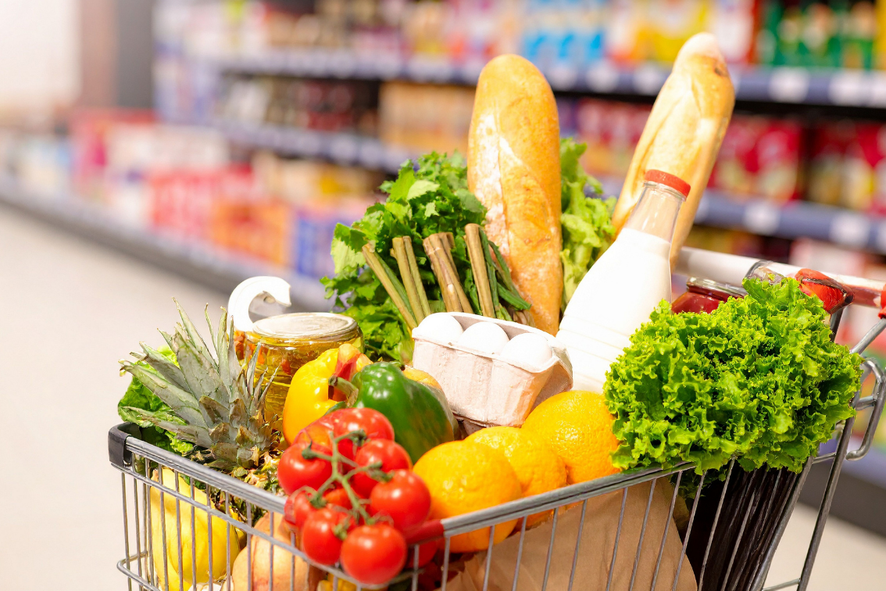
The Ministry of Economy, Environment, and Agriculture of Ukraine, in collaboration with the Ukrainian Federation of Food Banks, has begun work on implementing a food banking system – a mechanism that will enable the transfer of edible food products from businesses to socially vulnerable groups. A corresponding memorandum has already been signed, and legislative changes are planned to be drafted in the coming months.
This wasannounced by Taras Vysotsky, Deputy Minister of Economy, Environment, and Agriculture of Ukraine, during the national telethon “Yedyni Novyny.”
According to him, up to 2.5–2.7 million tons of food are disposed of in Ukraine every year, a significant portion of which is still safe to eat. At the same time, over 12.7 million Ukrainians need humanitarian aid, making the implementation of food banking not only economically sound but also socially necessary.
Food banking involves a clear model of interaction: producers and retailers will transfer unsold but safe products to food banks – non-profit organizations that will sort, store, and assemble food packages. These products or prepared meals will then be distributed free of charge to people facing difficult life circumstances.
Currently, this practice exists in Ukraine on a voluntary basis, but the government’s goal is to make it systematic.
To this end, the adoption of a separate law “On Food Banks” is planned, as well as amendments to tax and environmental legislation. Specifically, this involves introducing two types of expiration dates, tax incentives for businesses, and an obligation for large retailers to donate unsold products.
It is expected that the implementation of the food banking system will allow for:
● reducing food waste volumes and disposal costs (which currently amount to nearly 9.6 billion UAH per year);
● provide food to millions of Ukrainians, including internally displaced persons, pensioners, and people with disabilities;
● reduce the burden on the state budget;
● create additional incentives for socially responsible businesses.
It is important to note that all food safety requirements will remain unchanged. Control will be exercised by the relevant state authorities, while food banks will be responsible for quality and proper storage conditions.
Currently, the interim goal is to divert up to 50% of unsold but edible products to social needs. In the long term, the goal is up to 80%, which will align with best European practices.
#FoodBanking #FoodBanks #SocialSupport #FoodWaste #ResponsibleBusiness #Sustainability #Ukraine